In 2026, the United States remains one of the world’s most highly capitalized real estate markets. International buyers from Latin America, Europe, the Middle East, and Asia continue to acquire residential real estate in the U.S. for capital preservation, currency diversification, and long-term appreciation.
While many foreign investors continue to purchase properties with cash, a growing percentage are strategically using leverage. The U.S. mortgage market for foreign nationals has evolved significantly, offering structured lending solutions specifically designed for non-U.S. residents.
This guide explains how foreign buyers finance real estate in the United States in 2026, including loan structures, underwriting processes, reserve requirements, lender channels, approval timelines, and legal considerations that directly affect financing for foreign buyers purchasing U.S. real estate.
Yes. Foreign nationals who are neither U.S. citizens nor permanent residents may obtain financing through specialized non-resident lending programs. These loans generally do not conform to the standard agency guidelines established by Fannie Mae and Freddie Mac.
Instead, they are typically provided by:
Unlike domestic mortgage lending, underwriting places less emphasis on U.S. credit scores and greater emphasis on global liquidity, asset stability, income sustainability in the borrower’s country of residence, transparency of funding sources, and compliance with cross-border regulatory requirements.
In 2026, foreign national lending is no longer an exception — it is a defined and structured segment of the U.S. credit market.
A foreign national mortgage program in the United States is designed for borrowers who:
Because these loans are generally not sold on the secondary market, lenders apply their own risk assessment and underwriting standards.
Within this structure, priority is given to the borrower’s liquidity and the strength of their assets rather than standardized credit-scoring models.
In 2026, loan-to-value (LTV) standards remain conservative.
A $3,000,000 condominium in Los Angeles with a 60% LTV:
Lower leverage is not a limitation — it is a risk-adjusted capital structure that reflects the realities of cross-border enforcement.
Property tax classification and annual assessments are determined by the Department of Finance, which directly affects the calculation of carrying costs for buyers using financing.
If monthly carrying costs are $15,000, the required 12-month reserve would equal $180,000 in verified post-closing liquidity.
For luxury transactions, reserves of 10–20% of the purchase price may be required.
Funds must be immediately accessible, held with recognized financial institutions, and fully documented as part of the borrower’s global financial profile. Depending on the institution and jurisdiction, certain liquid assets may be subject to valuation haircuts.
Liquidity requirements are significantly higher than those applicable to domestic borrowers. Most lenders typically require:
Housing payments typically include:

Yes. Mortgage programs for foreign nationals are typically priced 0.5–1.5% higher than comparable domestic loans due to foreign exchange volatility, enforcement complexity, documentation variability, and the credit assessment standards applied by non-agency lenders. However, final pricing varies depending on the borrower’s liquidity, the quality of the property, and the lending channel.
Domestic loans typically close within approximately 30 days. Transactions involving foreign borrowers generally require 45–60 days for the following reasons:
In U.S. real estate transactions, financing contingency deadlines must align with the underwriting timeline. If mortgage approval is delayed beyond the agreed contractual deadlines, buyers may risk losing their 10% contract deposit. Timely legal coordination helps reduce this risk.
In U.S. real estate transactions, financing is inseparable from the structure of the contract.
Foreign buyers must evaluate the ownership structure (LLC or individual ownership), condominium and cooperative restrictions, board approval requirements, consistency of funding sources, compliance with international wire transfer requirements, and offering plan review requirements.
For example:
As a rule, deposits are released only when strict contractual conditions are satisfied.
Before signing a contract, buyers should also understand the taxes applicable to foreign purchasers of U.S. real estate, as tax liabilities can directly affect capital allocation.
The DSCR lending market in the United States has expanded significantly among foreign investors acquiring income-producing real estate.
DSCR loans (Debt Service Coverage Ratio loans) allow borrowers to qualify for financing based primarily on the property’s rental income rather than on the borrower’s personal income.
For example:
Most lenders require a minimum DSCR of 1.00–1.25, depending on the quality of the asset and the borrower’s overall profile. When the loan is underwritten based on rental income, personal income documentation requirements may be reduced.
Typical terms include a loan-to-value (LTV) ratio of 60–70%, 12 months of reserves, rental income appraisal requirements, and moderately higher interest rates.
The type of property has a significant impact on the complexity of financing.
Condominium loans typically allow a loan-to-value (LTV) ratio of 60–70%, provide direct ownership of the real estate, and generally involve fewer ownership restrictions.
Co-op loans typically allow an LTV ratio of 50–60%, require mandatory board approval, and often impose higher post-closing liquidity and reserve requirements. Because co-ops involve ownership through a corporate structure, the underwriting and approval process generally includes additional stages.
High-net-worth investors often use private banking services. Credit assessment within private banking typically includes an analysis of global portfolios, securities held in custody, assets under management, and the client’s long-term banking history.
Typical lending structures range from 50–70% LTV, with competitive terms available to significant asset holders and reduced income documentation requirements.
Although cash purchases remain common, financing can help preserve liquidity, hedge currency risk, diversify a portfolio, and optimize capital allocation.
However, buyers should consider:
Using leverage in 2026 is a strategic capital allocation decision, not simply a necessity.
We are an independent, private multi-family office known for our long-term perspective, responsible approach to business, and entrepreneurial spirit. These principles have guided our work in the U.S. market for more than 30 years. In our relationships with clients, colleagues, and society as a whole, we always strive to do what is right and remain committed to consistently high standards of quality.
Assets under management or custody*
Total capital adequacy ratio*
Liquidity coverage ratio*
Full-time equivalent employees
Offices worldwide
*Data as of December 31, 2024 (unaudited)
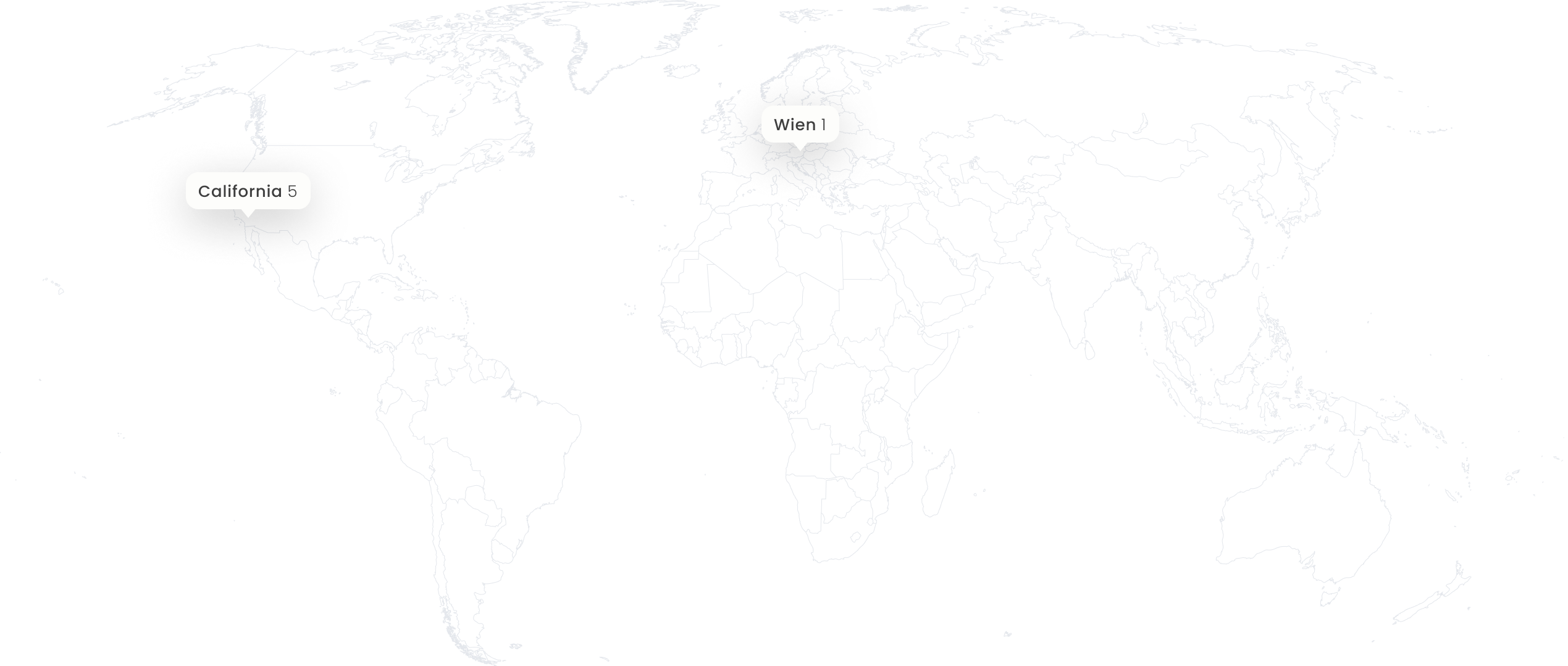
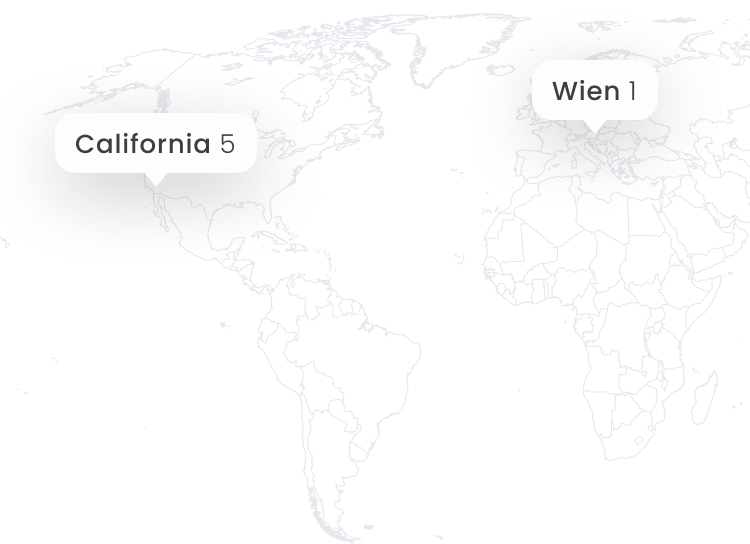
Vega Star Group has 6 offices worldwide: 5 in California and 1 in Vienna.